Menu
Menu
Menu
Homeowners often ask can roof washing damage shingles before booking a cleaning appointment, and it is a fair question to raise. Roofs collect algae, moss, and dark streaks over time, but not every cleaning method is safe for asphalt shingles. This guide breaks down when roof washing services protect your roof, and when the wrong technique can cause real damage.
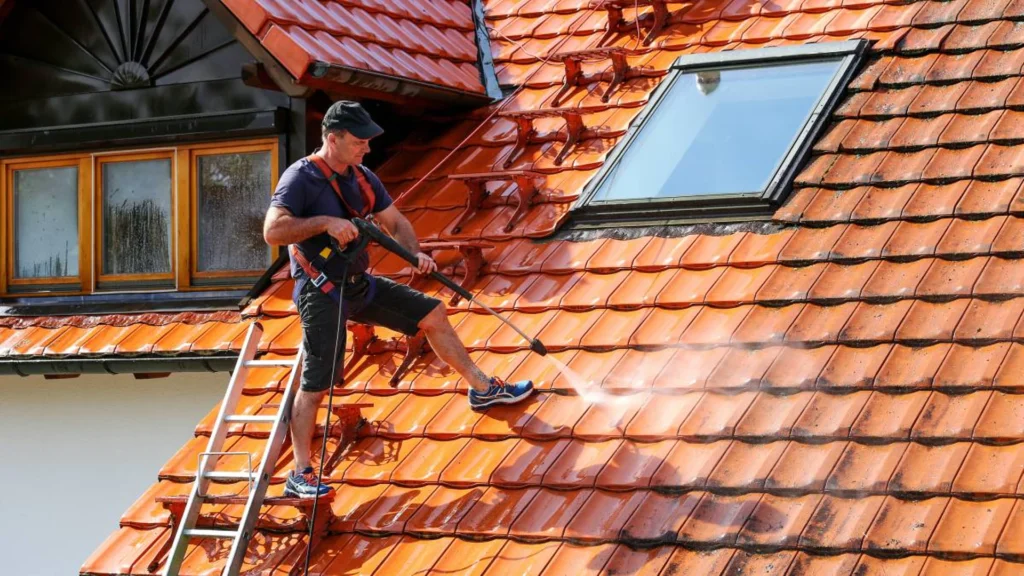
The concern usually comes from bad experiences with aggressive cleaning crews or DIY attempts gone wrong. Asphalt shingles are covered in a thin layer of granules that shield the roof from UV rays and moisture. Once those granules wear away, shingles age faster, so it makes sense that homeowners want reassurance before letting anyone near their roof
Pressure washing roof shingles with a standard power washer is one of the most common causes of roof damage. The concentrated stream of water was built for concrete and siding, not for the delicate surface of a shingle. Used the wrong way, it strips protective granules and shortens the life of the roof.
High pressure water blasts away the granules that give shingles their color and UV protection. Once granules are gone, the asphalt layer underneath is exposed to sun and rain. This speeds up cracking, curling, and premature aging, which is exactly what homeowners fear when they wonder if roof cleaning shingles the wrong way causes harm.
Direct force from a pressure washer can also lift shingle edges or push water underneath them. Water trapped beneath shingles can lead to leaks, mold growth, and rot in the roof decking. This is one reason professional roof washing services avoid high pressure equipment on asphalt roofing altogether.
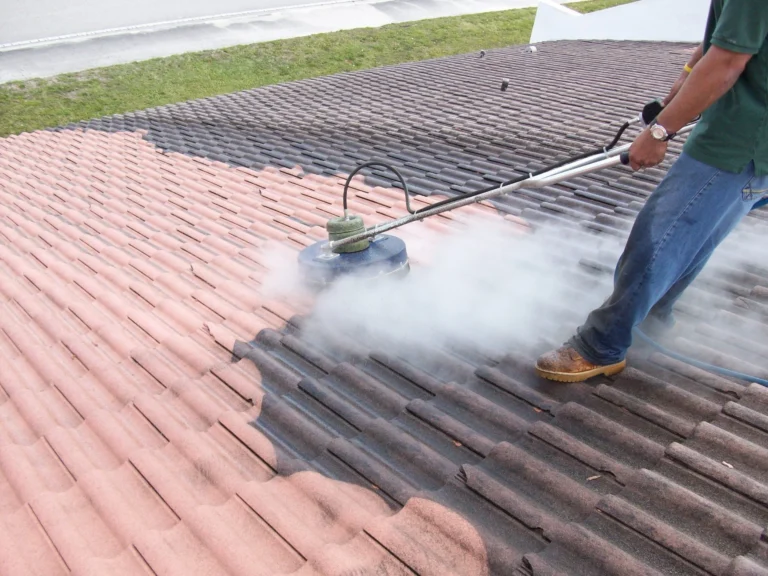
Soft washing roof cleaning is the industry standard for a reason. Instead of relying on pressure, it uses low pressure water combined with a cleaning solution designed to kill algae, moss, and lichen at the root. This approach removes stains without stripping granules or loosening shingle edges.
Soft wash roof cleaning starts with a gentle rinse to clear loose debris, followed by an application of a solution formulated for roofing materials. The solution breaks down organic growth on contact, then a light rinse washes everything away. No scrubbing or high pressure spray is involved at any stage of the process.
Because soft washing relies on chemistry rather than force, shingles stay intact from start to finish. Granules remain bonded to the asphalt, edges stay sealed, and the roof surface keeps its protective coating. This is considered one of the safest roof washing methods for most residential roofing systems today.
Those black streaks on a roof are usually a type of algae called Gloeocapsa magma, not dirt. It feeds on the limestone filler in asphalt shingles and spreads faster in humid climates or shaded areas with poor airflow. Moss thrives in similar conditions, especially near overhanging trees or north facing slopes that stay damp longer.
Safe roof cleaning methods share a few traits: low water pressure, roofing safe chemical solutions, and technicians who understand how asphalt shingles are built. Safe roof washing never involves scrubbing brushes, wire tools, or standard pressure washer nozzles. The goal is always removing growth without disturbing the shingle surface directly.
A roof cleaned improperly often shows granules collecting in gutters or on the ground below. Lifted or curling shingle edges, streaky uneven color, and new leaks after a cleaning are also warning signs. If any of these appear after a service, it is worth asking the company what method and pressure level they used.
Many homeowners wonder if the concern behind can roof cleaning damage shingles also applies to their manufacturer warranty. Most shingle warranties actually require regular maintenance, including algae and moss removal, but they specify that cleaning must avoid high pressure equipment. Choosing roof washing services that use approved low pressure methods keeps your warranty intact instead of putting it at risk.
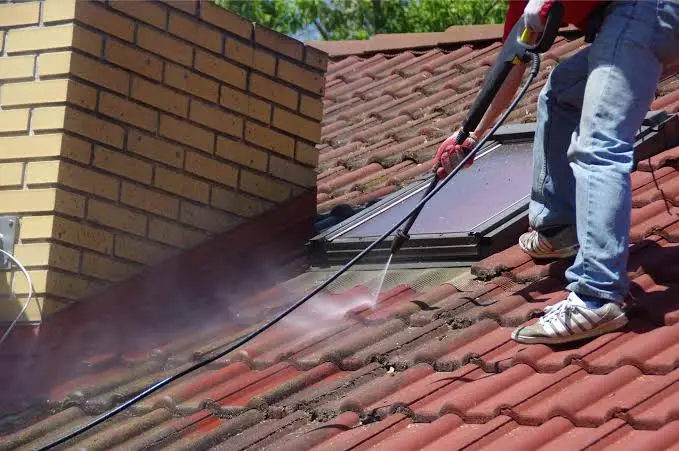
Homeowners searching for how to clean roof shingles often consider a DIY approach with a garden hose and store bought cleaner. This can work for light dust, but heavier algae and moss growth usually need a stronger, roofing safe solution applied correctly. Roof washing shingles without the right dwell time or rinse technique can leave stains behind or even damage the surface, which is why many homeowners eventually call a professional instead.
Spring and early summer are typically the best times for roof washing services, since dry weather allows the cleaning solution to fully treat algae and moss before winter moisture returns. Avoid scheduling a cleaning right before a heavy rain or freeze, since the roof needs time to dry completely. Mild temperatures also help the solution work more effectively on stubborn stains.
Ask any roof washing service whether they use soft washing or pressure washing before scheduling an appointment. A company confident in safe roof cleaning methods will explain their process without hesitation. Look for technicians trained on asphalt shingle roofing specifically, since techniques suited for siding or concrete are not interchangeable.
Most homes benefit from cleaning roof shingles every one to three years, depending on climate, tree coverage, and shade exposure. Homes in humid regions or with heavy tree cover tend to need cleaning more often. Regular gutter maintenance and trimming overhanging branches can also slow down how fast algae and moss return.
Roof washing on its own does not damage shingles. Damage happens when the wrong equipment or technique is used on a surface that was never built to handle high pressure. Choosing a company trained in soft washing keeps stains gone and shingles intact for years to come.
If you are noticing black streaks, moss, or dark patches on your roof, do not reach for a pressure washer. Homans Cleaning specializes in soft wash roof cleaning built specifically for asphalt shingles, so algae and stains disappear without stripping granules or loosening shingle edges. Our team serves homeowners throughout Celina, OH and understands how local humidity and tree coverage affect roof staining.
Beyond roof washing services, we also offer gutter cleaning, house washing, and exterior cleaning services to keep the rest of your property looking as good as your roof. Every job is handled with roofing safe techniques, low pressure equipment, and cleaning solutions that will not void your shingle warranty.
Give your roof the safe roof cleaning it deserves. Call Homans Cleaning today at +1 419 268 8426 to schedule an inspection or ask questions about our process. We are happy to walk you through exactly how we protect your shingles while restoring your roof’s appearance.

Stay up-to-date with the latest news, cleaning tips, special offers, and promotions! By subscribing to our newsletter

At Homan’s Cleaning, we’re dedicated to making your property shine from top to bottom. With 2+ years of experience and a hardworking 3-person team, we deliver reliable residential and commercial cleaning — from soft washing and roof cleaning to spotless windows and fresh siding.
(419) 268-8426
Our online scheduling and payment system is safe.
Mon - sat
Sunday
Closed